
Sensitive Windows of Development: Why Timing Matters
In early childhood, development doesn’t happen evenly.
Instead, it unfolds in bursts of heightened sensitivity, known as sensitive windows (or sensitive periods).
During these windows..
the brain is especially primed to acquire specific skills such as language, movement, order, or social understanding with remarkable ease and depth.
It becomes us.
Maria Montessori loved analogies, and so do I, so here goes:
Think of development like wet cement. When the cement is fresh, you can press patterns into it easily, and they hold their shape. Once it hardens, the same changes require far more force or may not be possible in the same way.
Sensitive windows are the moments when the cement is still wet.
Real Exploration
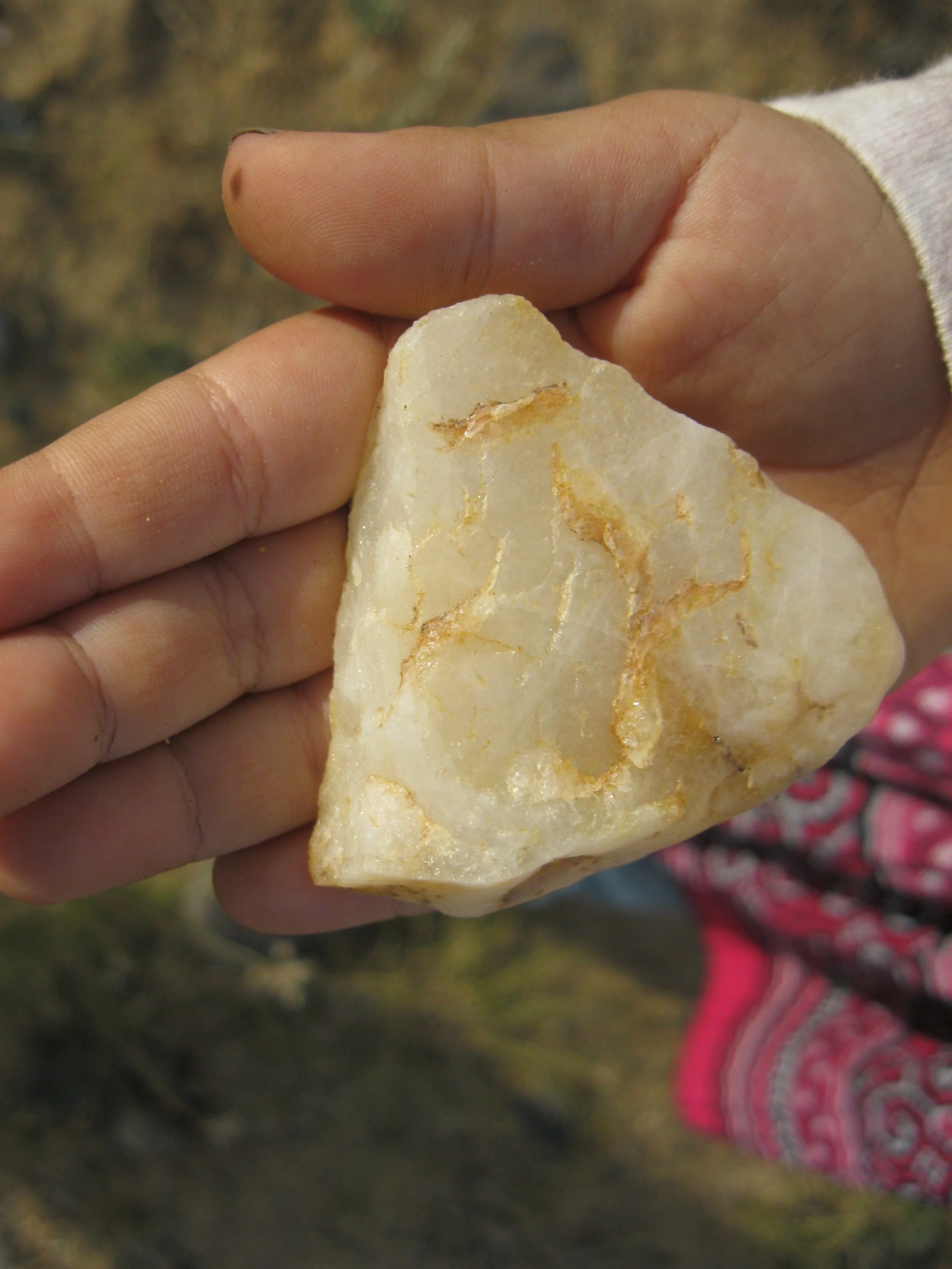
In a sensitive window of development, the child responds deeply to the real world.
Or,
Think about our Aussie accents, or any accent for that matter. Young children don’t memorise pronunciation rules; they absorb the sounds around them and reproduce them effortlessly. Later in life, even as adults, most of us retain traces of our original accent. The difference isn’t motivation or intelligence, it’s timing.
Sensitive windows determine how seamlessly information becomes embedded, shaping the brain’s structure.
Montessori and Modern Science
Maria Montessori was among the first to systematically observe sensitive periods. Through careful observation of children, she noted that when environments aligned with these periods, offering the right materials at the right time, learning became joyful, self-directed, and deeply absorbed. Importantly, when the window passed, the same learning required conscious effort and external motivation.
Decades later, developmental psychology and neuroscience have strongly supported these insights.
This doesn’t mean learning can’t happen later, but it often becomes slower, requires self-discipline and effort and is less intuitive, relying on different neural systems.
Understanding sensitive windows shifts how we think about education and parenting.
It moves us away from forcing skills too early or delaying them too long, and toward attunement: watching a child closely and responding to what they are ready for now, in this moment.
In Montessori pedagogy, this translates into meticulously prepared environments, freedom within structure and limits and deep respect for individual developmental timelines.
Sensitive windows remind us that development is not just about what children learn, but when and how.
For me personally, when I am refining which materials and activities I provide the children in my care, I think not only about their interests but also about the sensitive period they are demonstrating to me, not only through their choices but through their behaviour and needs. I hold such a deep respect for these windows and how they present. And this is why following the child is so important! Each child is so unique, BUT within their uniqueness, they are still developing as humans in a predictable order (just not at the same time or age).
Fascinating!
🫶
